What we do

Simulations for the people who have to decide.

CRLT trains emergency and crisis-response leaders with software scenarios and consulting, organized around four sectors. The scenarios below are the ones CRLT publishes. Where a facility or city is unnamed on their site, it stays unnamed here.

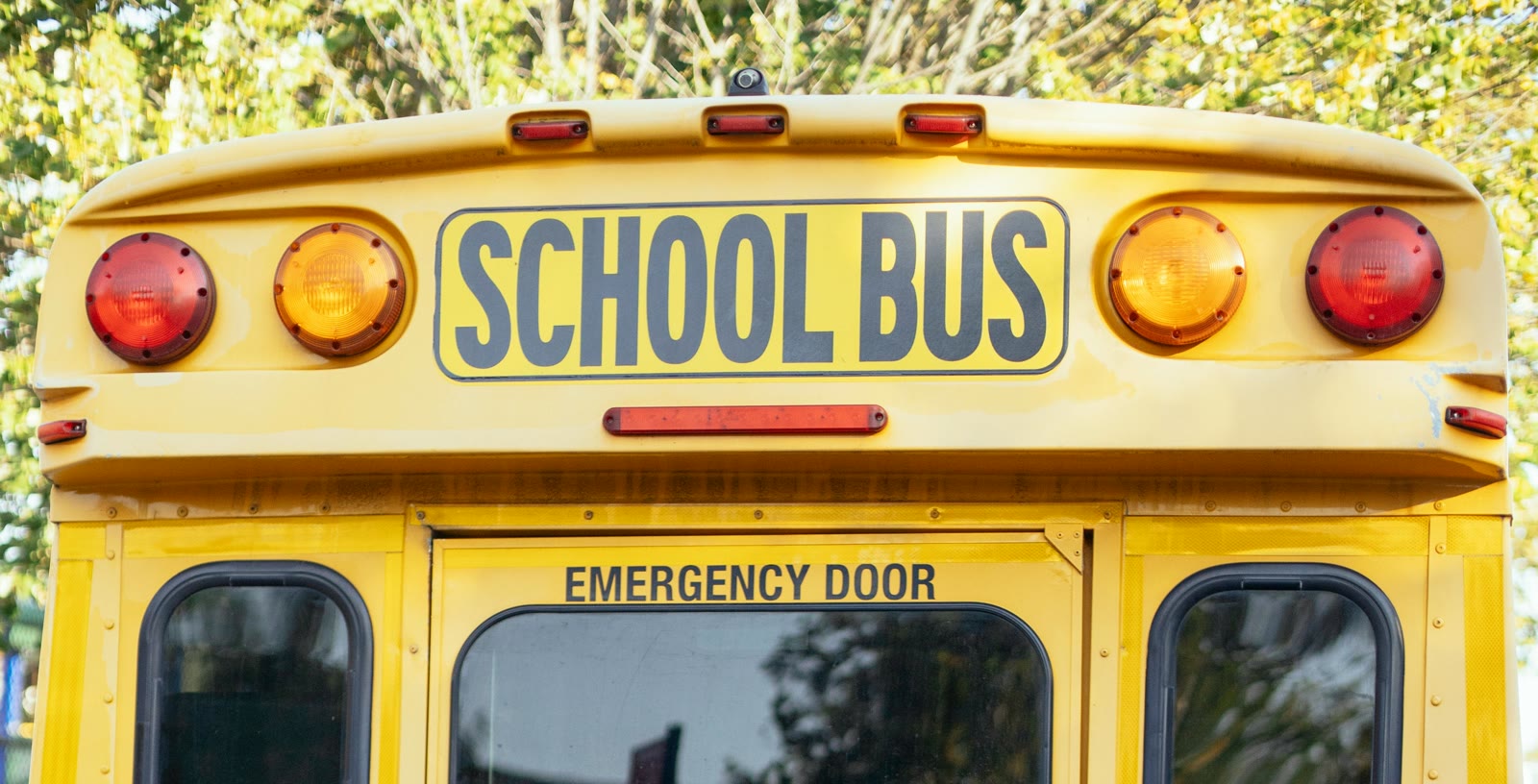
School bus emergency door and warning lights.

Education

K-12 readiness that can be repeated.

  • Custom scenarios
  • Staff and responders
  • After-action review

CRLT’s K-12 platform uses incident simulations so school personnel and responders can train together. Scenarios can be aimed at the threats a campus actually faces, including severe weather, hazardous materials, and active assailant events. Sessions are meant to fit into the school routine, with evaluations after the exercise.

In partnership with academic institutions focused on educational safety, CRLT has produced modules on lockdown, SRO immediate actions, risk assessment planning, and reunification. Those modules are designed to be completed in about 30 minutes and shared with employees and interested community members.

A published K-12 use case describes quarterly or biannual simulations, joint exercises with law enforcement, fire, and EMS, and data-driven reviews of response time, decisions under stress, and communication.
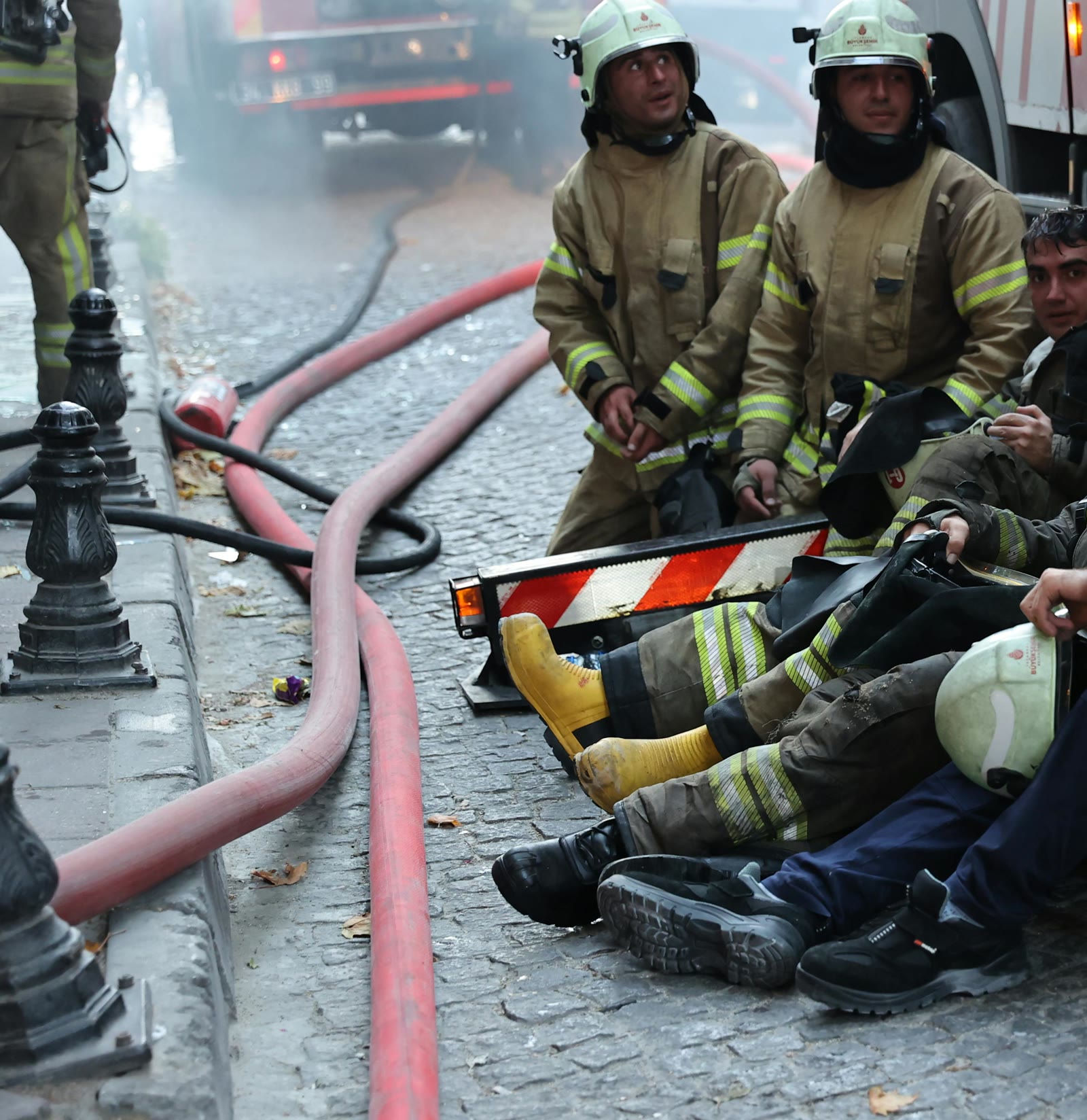
Firefighters in turnout gear beside hose lines.

Public safety

Specialized training for the response, not the slide.

  • Public health
  • Active assailant
  • Multi-agency

CRLT’s public-health platform covers outbreaks, bioterrorism, and natural disasters for health officials, healthcare providers, and emergency responders. The work includes containment, resource management, and public communication, with real-time feedback and debriefs.

A published active-assailant use case describes The Incident for a mid-sized city’s police, fire, and EMS departments. CRLT’s account of that scenario includes 911-style notifications, movement through a school building, rescue task force coordination, casualty care, and an analytics report on time, communication, and decision accuracy. CRLT reports faster follow-up drills, clearer handoffs, and protocol changes. No city is named on the site.

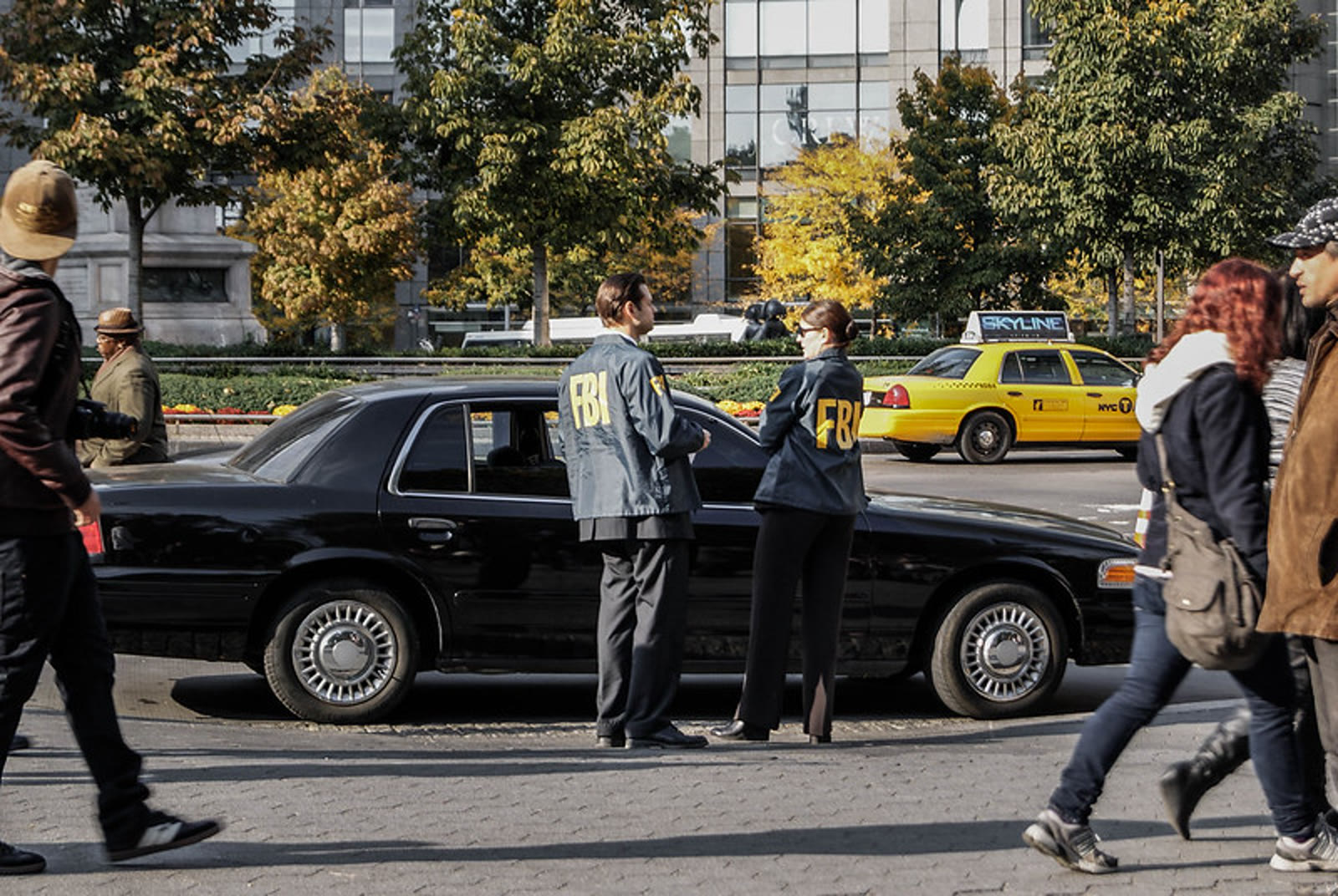
Federal agents standing at a car in a city.

Government

Agencies practicing the same incident.

  • Cloud access
  • Cross-agency
  • Large-scale entities

CRLT says the platform can be reached through cloud services such as Amazon Web Services, so people can train regardless of location, and that it scales for large and small organizations. Law enforcement, emergency management, public health, and fire can train in the same simulated event.

Scenarios are described as built from nationally recognized research, real-world cases, and best practices. CRLT states that AI models can simulate up to 100,000 entities, including civilians, responders, and environmental conditions, and that the company is developing hybrid AI for incident-management decisions.

Published government uses include natural-disaster coordination, homeland-security drills such as active shooter and CBRNE incidents, state and local emergency managers working evacuation and public communication, and public-health agencies testing outbreak response.

A group collaborating around laptops on a wooden table.

Corporate

Hazards, practiced without leaving the company.

  • On site or cloud
  • Analytics
  • Cross-department

Corporate simulations cover hazards such as active assailant events and hazardous spills. CRLT describes a platform that can run on site or in the cloud, so multi-location companies can train without travel or an outside trainer on every session, with recurring exercises and analytics for compliance tracking.

A tabletop-style mode is described for leaders, with learning content placed inside 3D environments. Departments can train together rather than in separate silos.

A published chemical-manufacturing use case — the company is not named — walks through a simulated spill: containment, evacuation, coordination with fire, and an after-action review of time and procedure. CRLT reports better adherence, clearer contact with fire and EMS, and more confidence among employees.

Where they have trained

The kinds of organizations CRLT says it has trained.

CRLT says it has trained government agencies, the Department of Defense, law enforcement, schools, churches, daycares, nonprofits, and Fortune 100 companies. The site names those sectors. It does not name the individual organizations.

Request a consultation